Baywatch after the cancellation
The weekly series opened on NBC on September 22, 1989: a drama about Los Angeles County lifeguards, starring David Hasselhoff. One season was all the network wanted. By the following spring Baywatch was canceled, and that December the Los Angeles Times printed the score. The show had finished 74th among the 111 series on the three major networks, a 10.5 rating, about 9.6 million households an episode.
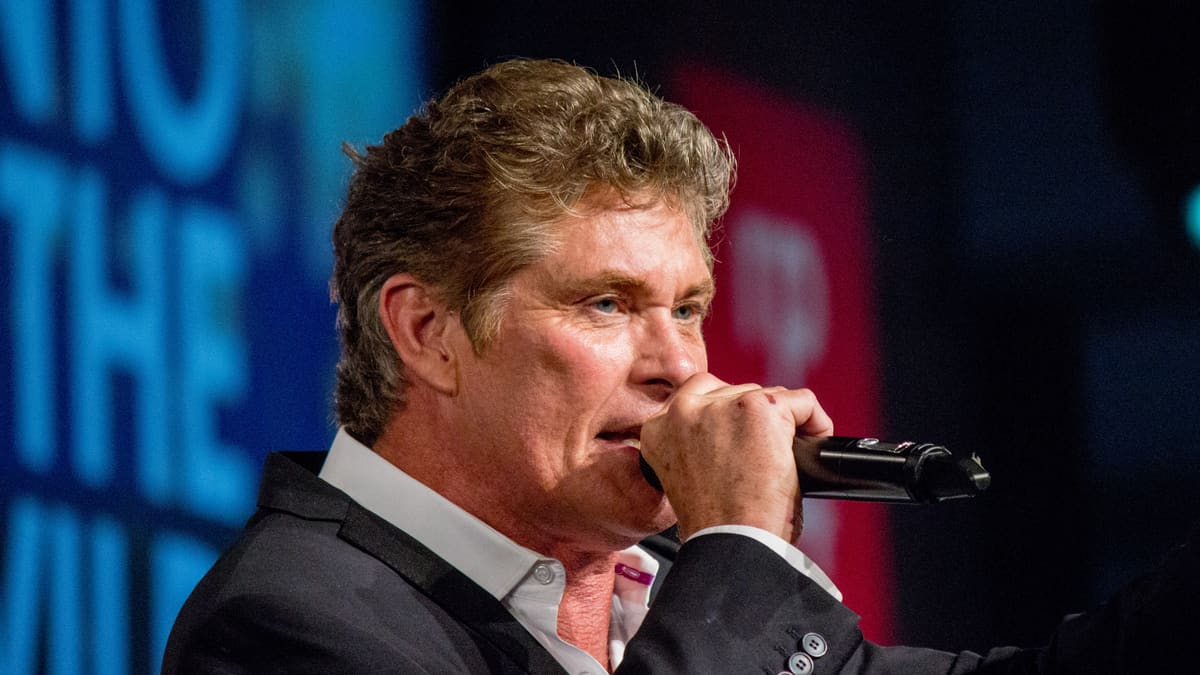
Hasselhoff agreed to a lower-than-usual salary for a share of the profits, and Henry Siegel of LBS Communications said he would be involved in producing. Creators Gregory Bonann, Douglas Schwartz and Michael Berk were negotiating to buy the rights back from GTG, the Grant Tinker and Gannett company that had produced the NBC year and then split. Siegel told the Times the series had already been sold in more than 40 countries, and that those sales were what made new episodes possible. In Britain, he said, it was the top imported show. "In the U.K., their rationale is that 'Baywatch' may be what people perceive that the U.S. is all about," Siegel said. "It has good-looking people with good action." New episodes were budgeted at $800,000 to $900,000. On NBC each one had been budgeted at $1.25 million.
First-run syndication opened on September 23, 1991. Late that November the Times found the company in a former McCulloch chain-saw warehouse near Los Angeles International Airport, rented for $17,000 a month, wrapping the last of 22 episodes. Hasselhoff was the star and one of four executive producers, with Michael Berk, Schwartz and Bonann. Berk said the episodes were coming in at $775,000, against an average of $1.2 million in the GTG year. Pre-sales overseas had raised half of a $20 million budget for production, advertising and distribution. When a director asked whether they still had to call upstairs, Hasselhoff told the Times his answer: "There is no upstairs. I'm upstairs."
Schwartz said the show had debuted that November as number one in Australia and New Zealand. Sid Vinnedge, president of All-American Communications Television, said it had been sold in every major market except Brazil. In England it was the most popular American series on the list, number 25 of the top 100, with an estimated 11.4 million viewers a week. At home, LBS had placed it on 147 stations, reaching more than 90 percent of the country's potential viewers, including KCOP in Los Angeles, Wednesdays at 8 p.m.
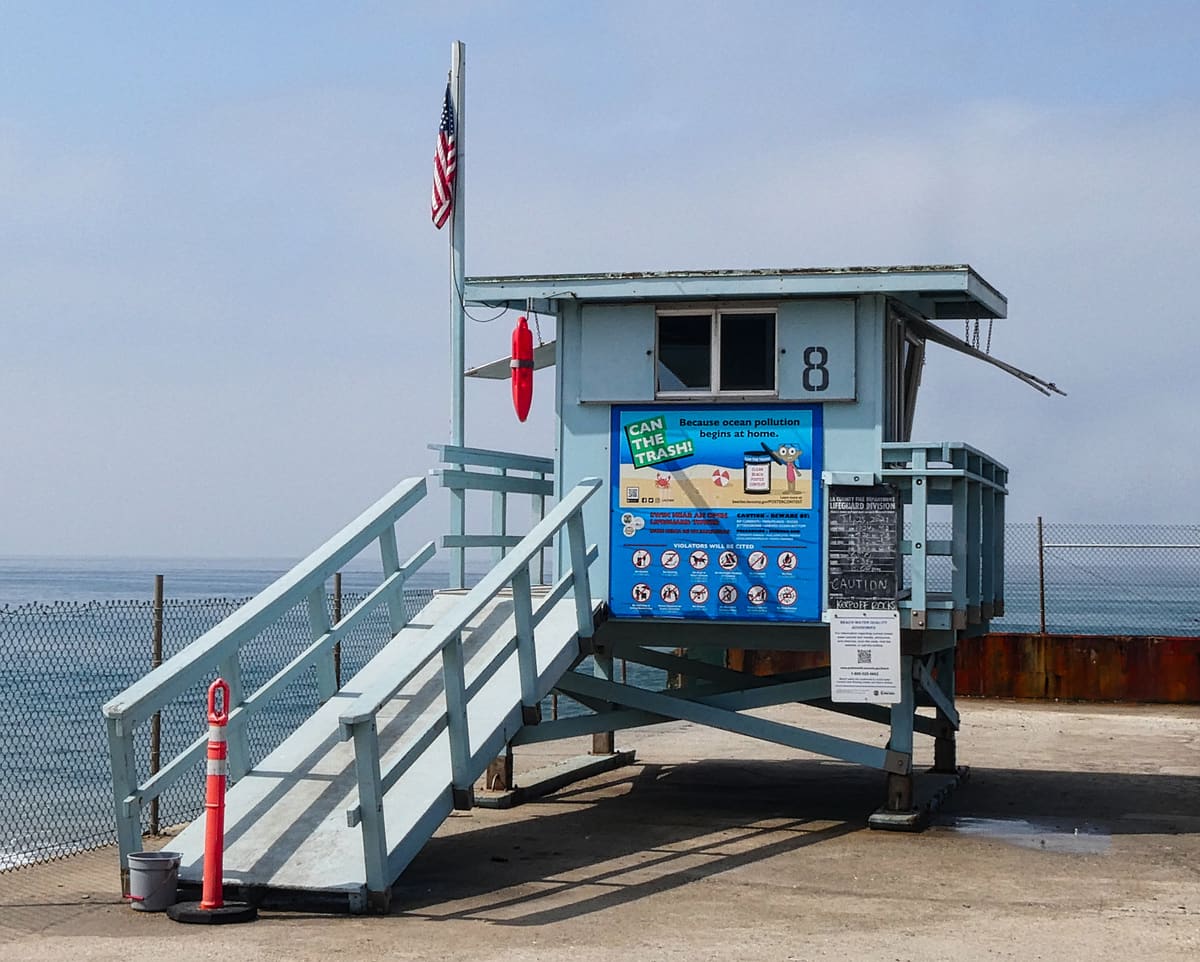
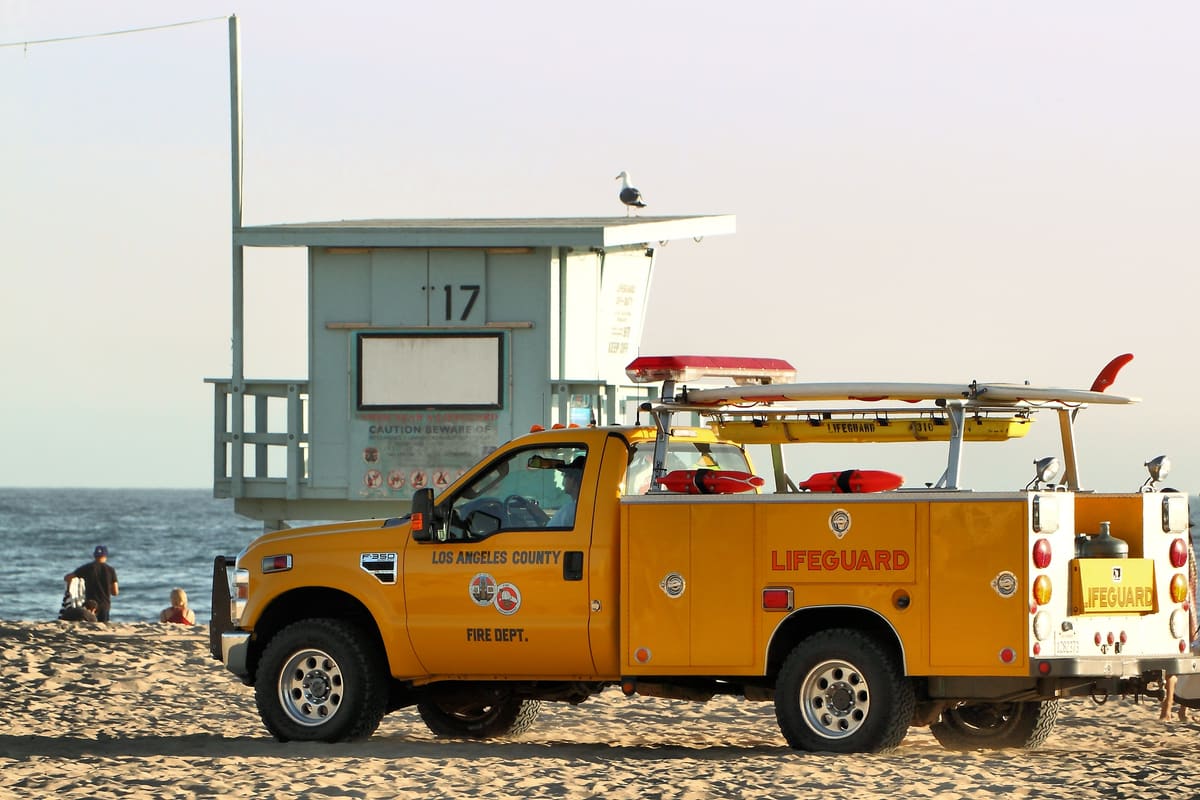
In June 1993 the Times reported that beach and land shots were filmed at Will Rogers State Beach, at the end of Temescal Canyon. Alexandra Paul, who played Lt. Stephanie Holden, said that on water days, because of the pollution, "We go out to Paradise Cove or Leo Carrillo." In 1997 the Times noted that visitors could watch summer filming at Will Rogers, where the lifeguard headquarters was part of the set, and in 1998 it put those weeks at Will Rogers State Beach in Pacific Palisades, from about the Fourth of July to mid-August.
Guinness World Records lists the peak that followed. In 1996, it says, Baywatch was the most widely viewed television series in the world, with an estimated weekly audience of more than 1.1 billion people in 142 countries, and has since been seen in 148 countries and translated into 44 languages. Guinness presents that as an estimate of weekly reach, not a Nielsen count from one American night.
NBC let the 74th-place season go. The beach they filmed on is still at the end of Temescal Canyon, towers facing the same water.