Here's to the crazy ones
Sunday, September 28, 1997, ABC showed the network premiere of Toy Story on Wonderful World of Disney. Two days earlier Apple had said its new campaign would open that night with two 60-second commercials. TidBITS, on October 14, described two appearances of one 60-second spot. The theme was "Think different." The announcement called it the first work Apple and TBWA Chiat/Day had done together in more than a decade, and pointed back to their Clio-winning "1984" commercial.
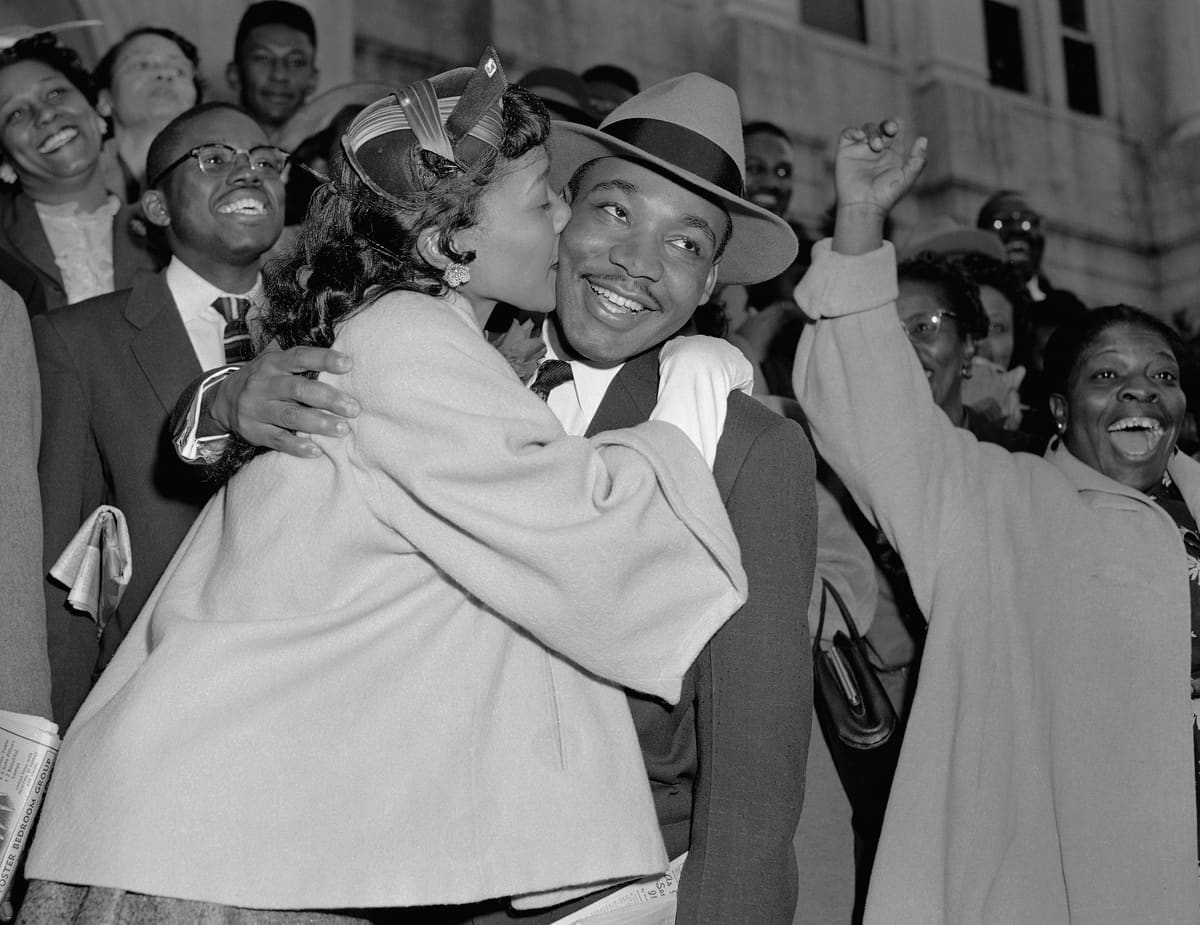
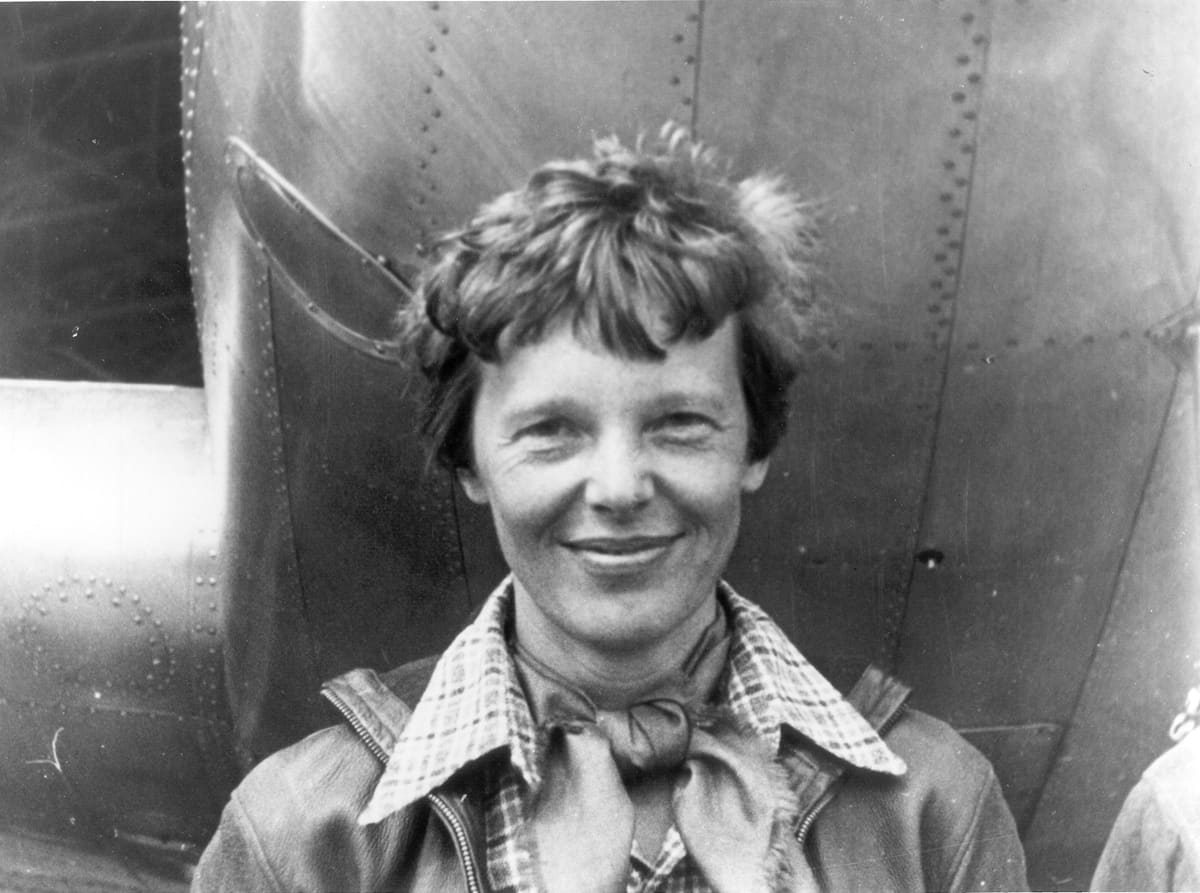
Richard Dreyfuss read the opening. "Here's to the crazy ones." Mike Lambert, in a column dated September 30, described a montage and named Albert Einstein, Bob Dylan, Martin Luther King Jr., John Lennon, Muhammad Ali, Ted Turner, Gandhi, Amelia Earhart and Jim Henson, among others. The faces were not labeled. When the spot was nominated for an Emmy the next July, the New York Times called it a salute to the crazy ones, from Einstein to Picasso to Gandhi.
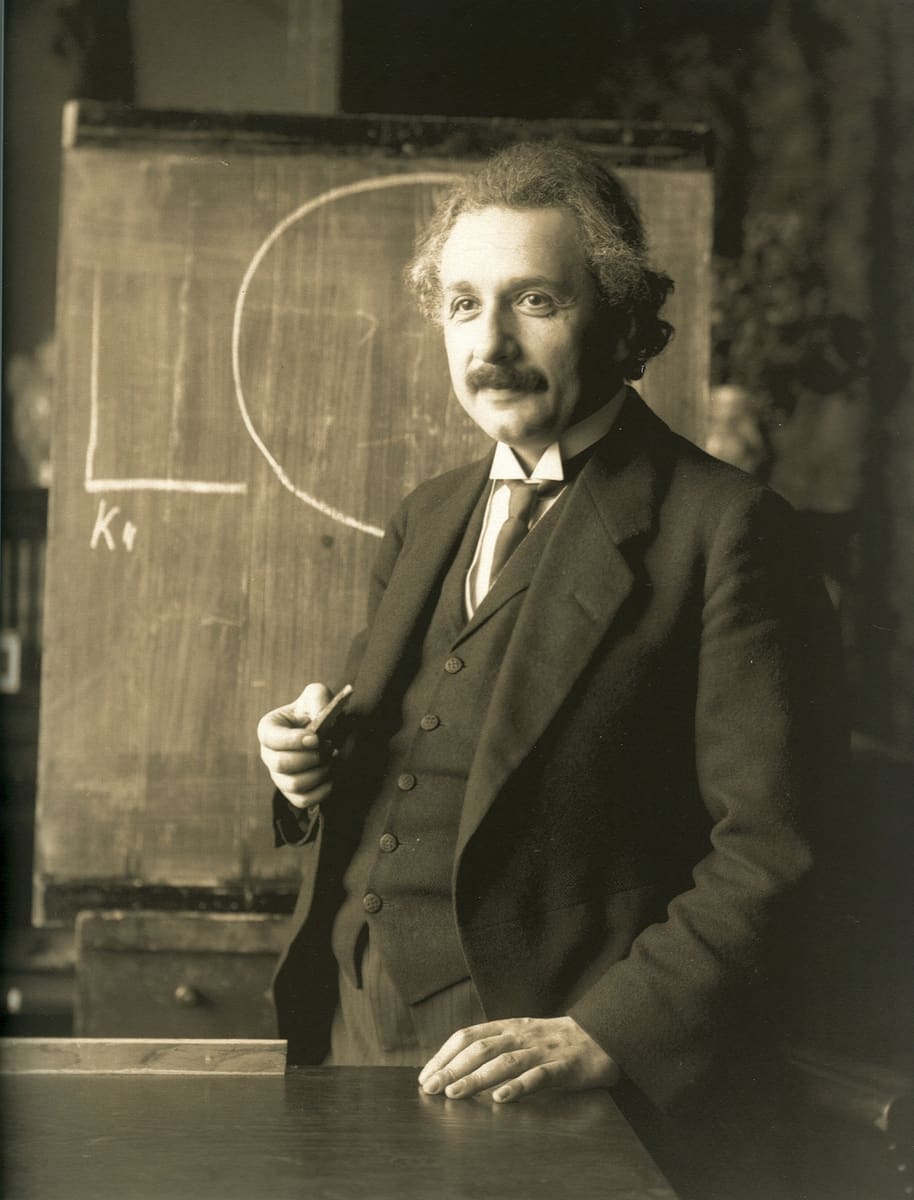
The line, and the idea of setting it on black-and-white photographs, came from Craig Tanimoto, an art director at the agency. Rob Siltanen, the creative director who pitched the account with Lee Clow, later wrote that Tanimoto was answering an IBM ThinkPad campaign that said "Think IBM." The Times called Apple's slogan ungrammatical. Apple kept it.
Siltanen wrote the television script. He has said Jobs hated that first draft. Ken Segall revised it, and the revision is what went to air. Siltanen had wanted Robin Williams to read it. Williams would not do advertising. Dreyfuss would.
Clow wanted Jobs's own voice. In a 2013 speech he said he had argued the point into the night. Jobs called the next morning, Clow recalled, and chose Dreyfuss. If people thought the commercial was about him and not about Apple, "we'll have blown everything." Siltanen has said he heard the take Jobs recorded. Fortune noted in 2011 that it never aired.
Jobs had been in charge in practice since Gil Amelio left on July 9. On September 16, twelve days before the spot, the board named him interim chief executive. In the campaign announcement he said it celebrated "the soul of our brand — which is the desire to change the world for the better," and that the ad was the beginning of telling customers Apple was coming back.
The pictures took phone calls. On October 10 the Wall Street Journal reported that Jobs said he had called Bob Dylan, and Yoko Ono, for permission to use photographs, and executives at Time Warner, which held a famous picture of Gandhi.
Billboards and magazine pages used one portrait each, still with no name. In August 1998 Clow told the Times the ads were not saying these people used Apple. "We're going for the emotional celebration of creativity," he said. Allen Olivo, Apple's senior director for worldwide marketing communications, said the ads were for people who don't care what the computer does, but care about what they can do with it.
In 1998 the spot won the Emmy for outstanding commercial. The Los Angeles Times, covering the 50th Emmys, called it the award for best commercial, in that category's second year. The Television Academy credits TBWA Chiat/Day.
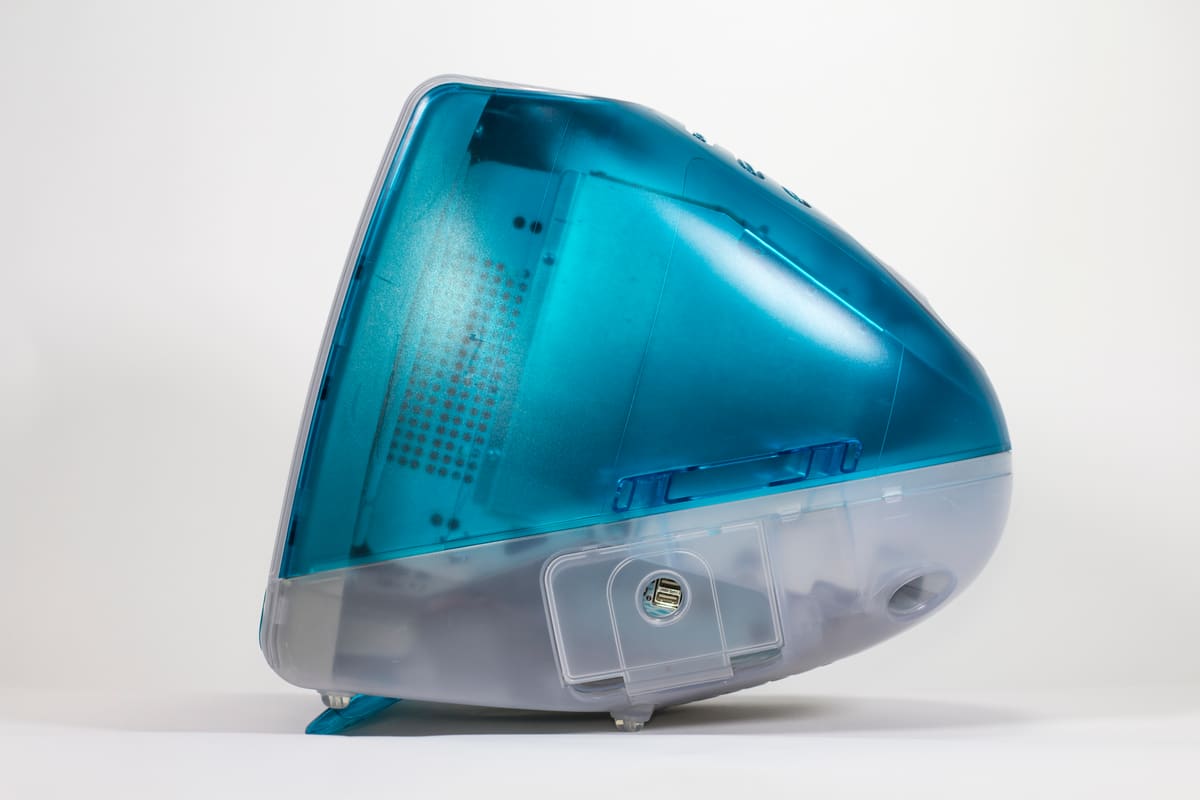
On November 10, 1997, Apple unveiled the Power Macintosh G3 and said in the announcement that it was taking the "Think Different" message in its ads seriously. The following May, at the Flint Center in Cupertino, Jobs introduced the iMac. The commercial that opened the campaign had not shown a computer. It had shown the people, and then the logo.