The night Seinfeld signed off
Thursday, May 14, 1998, belonged to four friends in New York and a comedy about nothing. NBC's broadcast ran from 8 to 10 p.m.: about 45 minutes of clips, then the last episode at 8:45, in a 75-minute slot. The season finale of ER followed. Seinfeld came into that week as television's top-rated program, averaging roughly 30 million viewers a week.
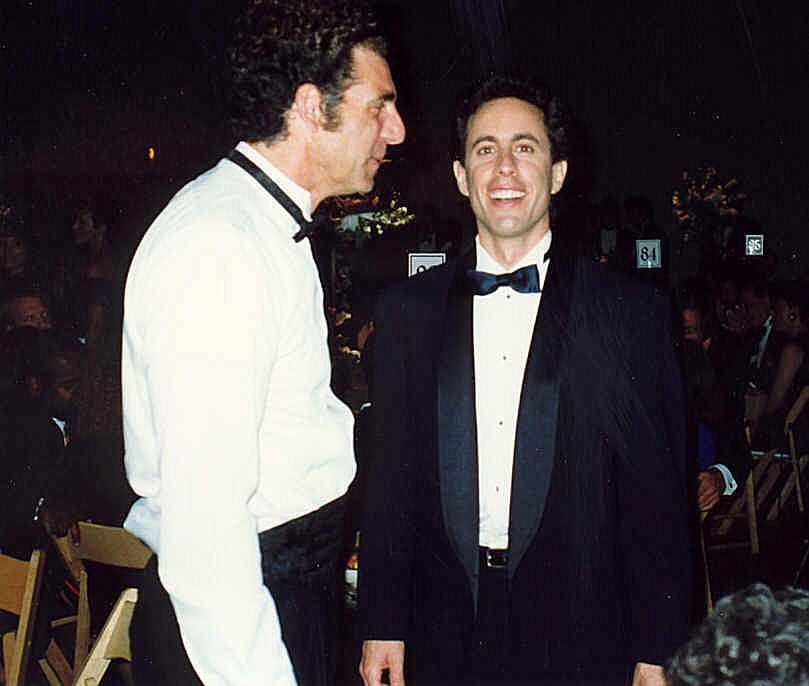
The first episode, The Seinfeld Chronicles, drew fewer than 16 million people on July 5, 1989. In February 1993, as Cheers prepared to leave, NBC moved Seinfeld to Thursday at 9:30, directly after it. The next season it took 9 p.m. and anchored the night.
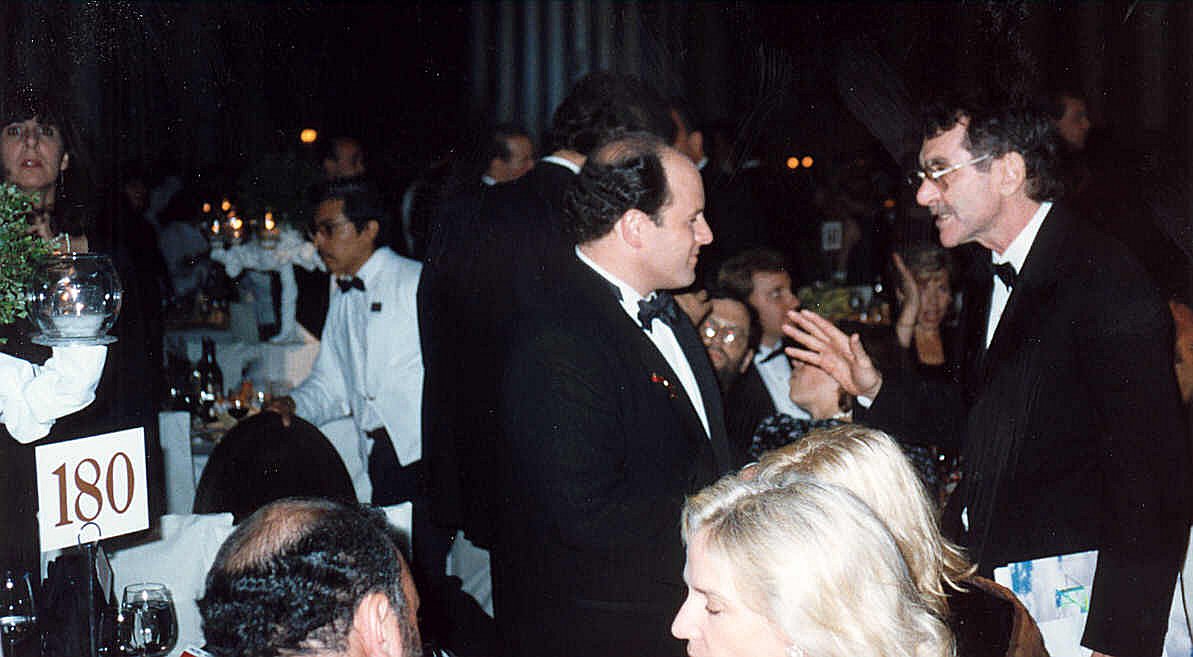
At the 1997 Emmy Awards, a few months before Jerry Seinfeld announced the ending, Alan Light photographed him with Julia Louis-Dreyfus.
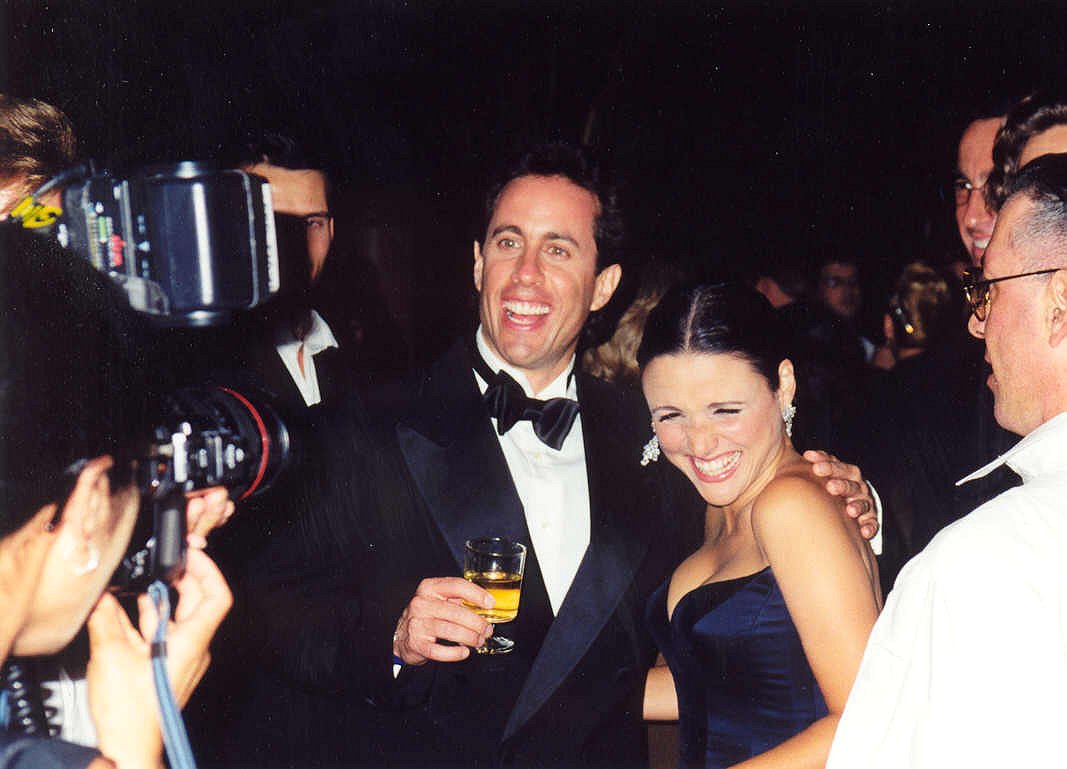
On December 25, 1997, in the ninth season, he told the New York Times he wanted to finish "on the same kind of peak we've been doing it on for years" and "from a point of strength." Larry David, who created the series with him and left after the 1996 season, wrote the finale. The day before it aired, the Boston Herald reported the premise that had been kept secret: the four would be tried for failing to help while they watched a carjacking.
In February NBC sold the first 30-second spots for a record $2 million each, more than the $1.3 million paid for 30 seconds of that January's Super Bowl, also on NBC. The network declined to say what it charged for the rest. On May 13, people familiar with the sales told the Associated Press that the average was about $1.7 million, with more than 20 advertisers in the national breaks.
Nielsen Media Research counted 76.3 million viewers. On the list published that weekend, Super Bowls excluded, the finale was the sixth most-watched entertainment event to date. Ahead of it were the 1983 MASH finale (106 million), the "Who Shot J.R.?" episode of Dallas (83.6 million), the last Cheers (80.5 million), the 1983 film The Day After (77.4 million) and the concluding chapter of Roots (76.7 million). NBC's own estimate was 108 million, adding parties that Nielsen did not regularly count.
TV Land scheduled dead air from 9 to 10: a picture of its closed office doors, and a note that it would return after the finale. "We think airing nothing is a fitting salute to a show about nothing," said Larry W. Jones, the channel's general manager. ABC and CBS guarded the May sweeps, which help set local news ad rates into the fall. CBS let 48 Hours run an extra eight minutes, to 11:08. ABC ended Unforgiven at 10:50, ten minutes early, so stations could retitle the late news and leave it out of that night's ratings. "If you know you're going to get hammered, you move to protect your stations," said Jack Loftus, a Nielsen spokesman.
Viewers were at home.
St. Louis put the episode on a seven-story downtown wall, with contests for Kramer's entrance and Elaine's dance. Reservations at Carmine's in New York were off by about 20 percent. Tom's Restaurant, the storefront used as the coffee shop, hosted a party. The city refused a free screening in Times Square and Bryant Park, citing the crowd, after Fuji asked to sponsor one. "It's the show about nothing—and New York's doing nothing," said Mindy Kramer, a Fuji spokeswoman. The four stars watched privately. There was no official party. A summer pilot from 1989 had become a Thursday marked, on one channel, by a locked door.