The Sunday Tiger Woods made Augusta look small
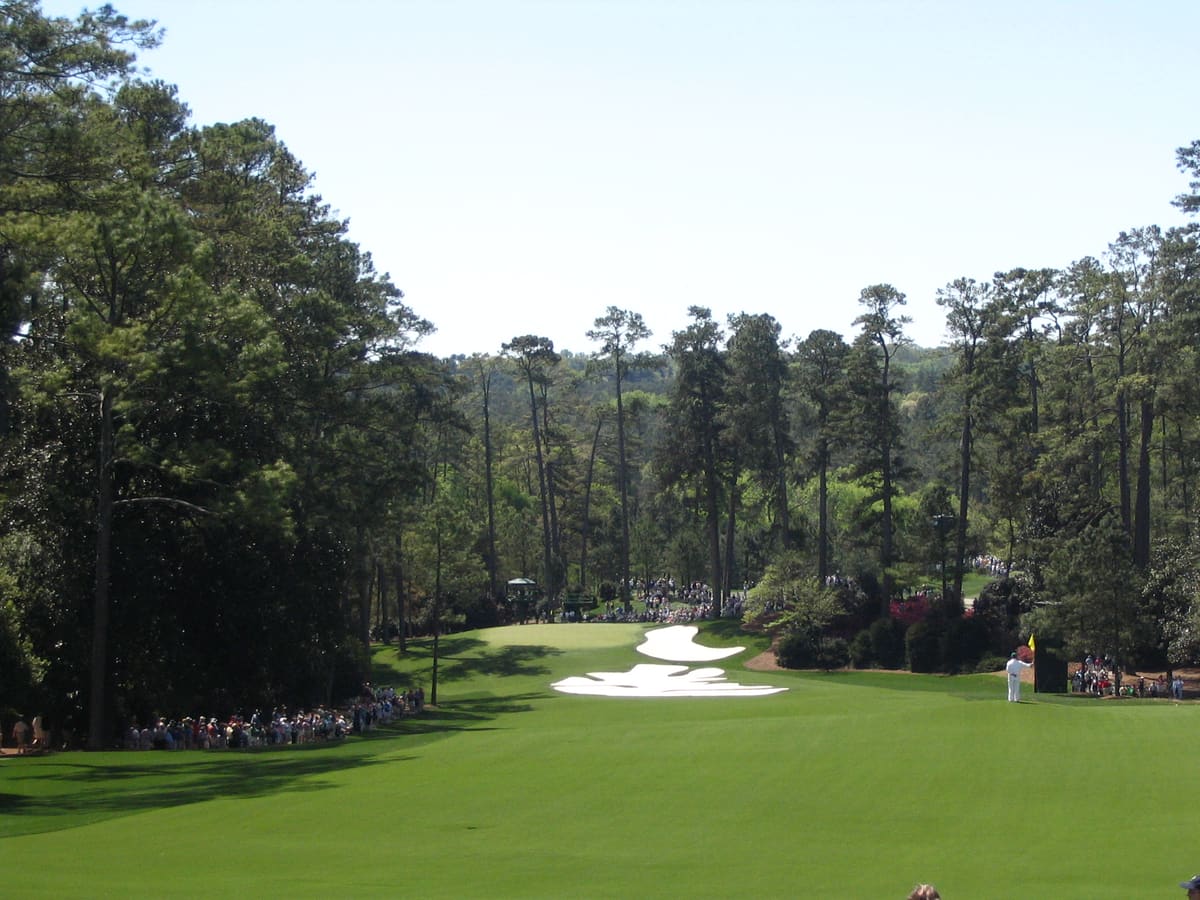
There are sports moments you watched, and sports moments where you remember exactly where you were sitting. April 13, 1997 was the second kind. On a spring Sunday in Georgia, a 21-year-old in a red shirt walked up the 18th fairway at Augusta National holding the biggest lead the Masters had ever seen, and an estimated 44 million Americans watched the final round on TV.
A rough start, then a back nine for the ages
It's easy to forget that the 1997 Masters started badly for Tiger Woods. He had turned pro only the previous August, and in his first round at Augusta as a professional he went out in 40, four over par on the front nine. Then something clicked. Four birdies and an eagle on the back nine added up to a 30, a 70 for the day, and he sat just three shots behind first-round leader John Huston.
Running away with it
What came next felt less like a golf tournament and more like a coronation. Woods shot 66 on Friday and 65 on Saturday, the best round of each day, and took a nine-shot lead into Sunday. A closing 69 left him at 270, 18 under par. That broke the tournament record of 271, set by Jack Nicklaus in 1965 and matched by Raymond Floyd in 1976.
His winning margin over runner-up Tom Kite was 12 strokes, still the largest in Masters history. He became the youngest Masters champion and the first non-white player to win at Augusta, 22 years after Lee Elder became the first Black golfer to play in the tournament.
The hug on 18
For a lot of us, the picture that stuck wasn't a swing at all. After the final putt dropped, Woods walked into a long embrace with his father, Earl, the man who had first put a club in his hands. It was a quiet, human moment in the middle of a sports earthquake.
Why it mattered on the couch
In the '90s, golf on TV was background noise in a lot of living rooms: hushed commentators, polite applause, the soundtrack of a Sunday-afternoon nap. That weekend it became appointment viewing. The final round set television ratings records for golf, and suddenly kids who had never cared about the sport were out in the backyard practicing fist pumps.
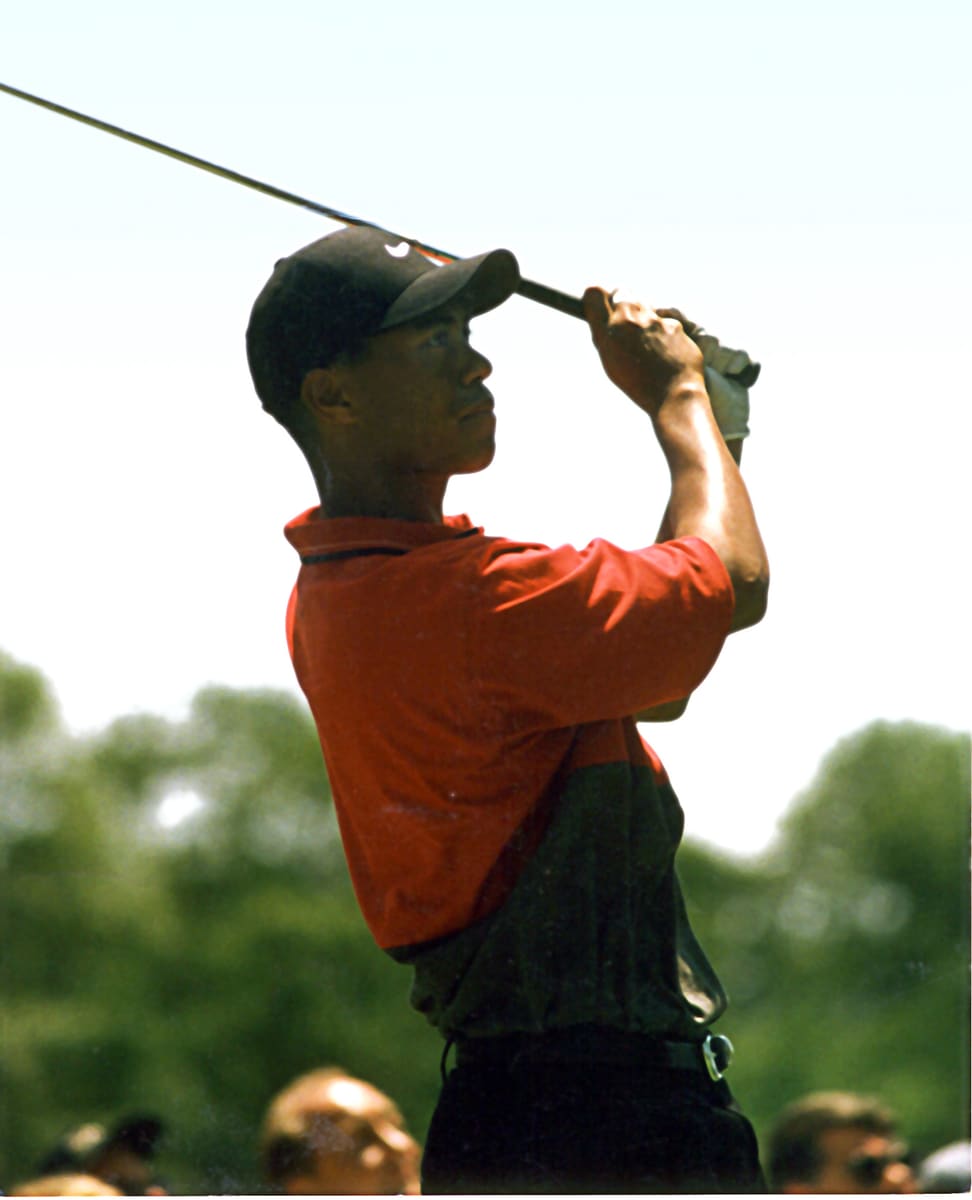
Two months later, Woods was back on a major stage at the U.S. Open at Congressional Country Club in Bethesda, Maryland, where an Army photographer caught him still looking every bit the 21-year-old who had just changed the game.
The 1997 Masters belongs to that era of TV when one broadcast could stop a whole country for an afternoon. Those Sundays are gone, but the feeling of flipping on the set and catching history mid-swing doesn't have to be.