Yo quiero Taco Bell
In July 1997 a Chihuahua joined Taco Bell's advertising as a bit player, in commercials aimed at teenagers. That summer, in an ad that ran in the Northeastern states, the dog said "Yo quiero Taco Bell." Vada Hill, the chain's chief marketing officer, later told the Los Angeles Times that Taco Bell "was immediately on the map in those states in a way that it just wasn't before."
On December 29 the Irvine company unveiled the first of five new commercials from Venice-based TBWA Chiat/Day. The dog ignores an ersatz Elvis and a female Chihuahua, walks up to a man who is eating, and says the line again. The subtitle reads "I want some Taco Bell." Hill called it "just the kind of break-through advertising that we challenged TBWA Chiat/Day to create."
The dog on camera was played as a male. She was a female Chihuahua named Gidget. Carlos Alazraqui, a Los Angeles stand-up comic who also voiced Rocko on Nickelodeon's Rocko's Modern Life, did the voice. About 150 actors auditioned. At the callback, he said, a producer told him to play it "really cool and tough but in hushed tones." By October 1999 he had recorded a couple of dozen commercials. On stage he ran the lines people shouted: "Yo quiero Taco Bell," "Viva gorditas," "Here lizard, lizard," and "Drop the chalupa."
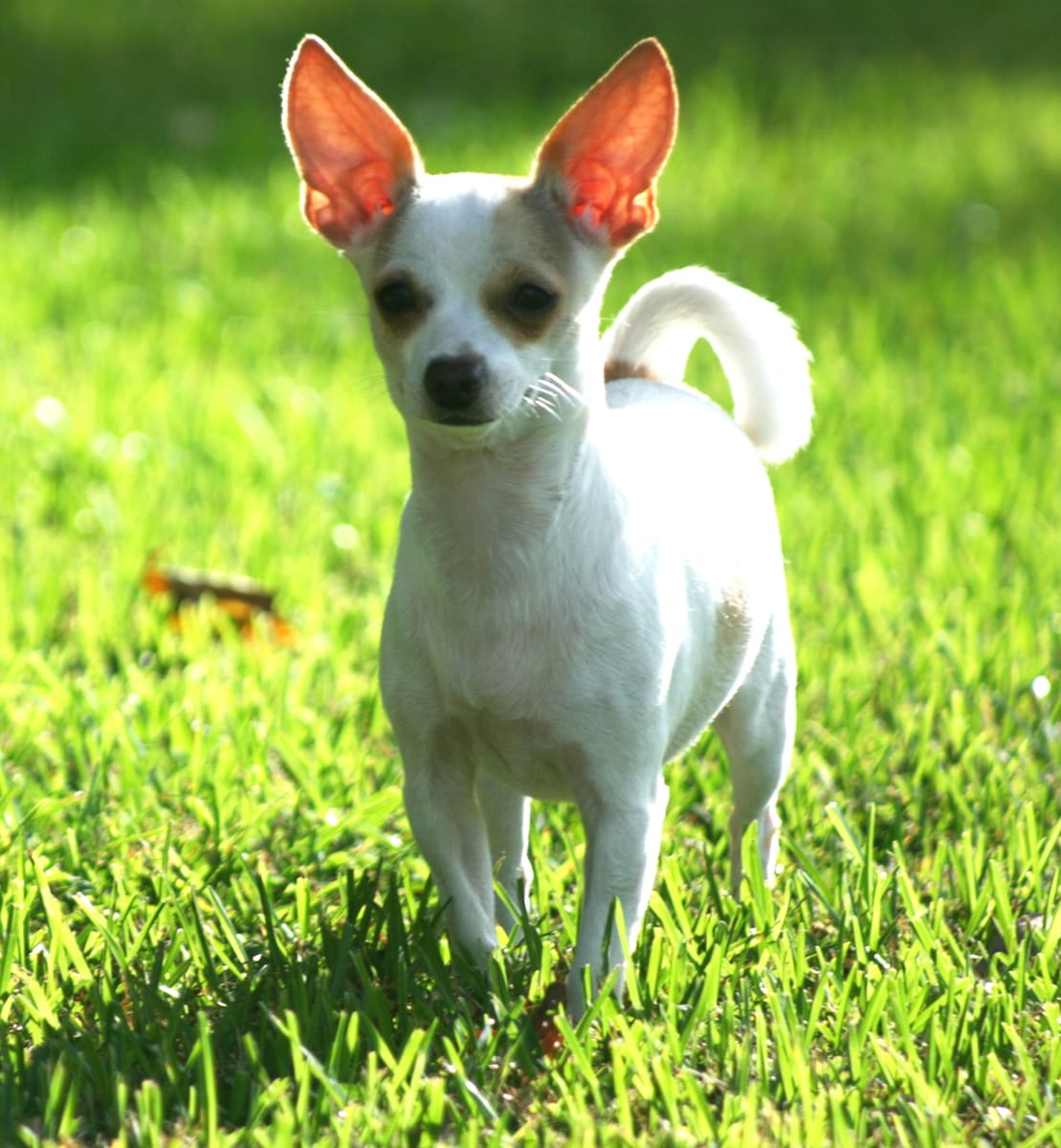
In February 1999 the Times described a Godzilla commercial from the year before, in which the dog referred to the monster as a lizard. The agency's account started at lunch. Clay Williams and Chuck Bennett were in a Venice Beach restaurant when a Chihuahua with an attitude walked past the table. "We never set out to create an icon for the company, but that's what it became," Williams, a creative director at TBWA Chiat/Day, said. "What we set out to do was create a fun, interesting campaign."
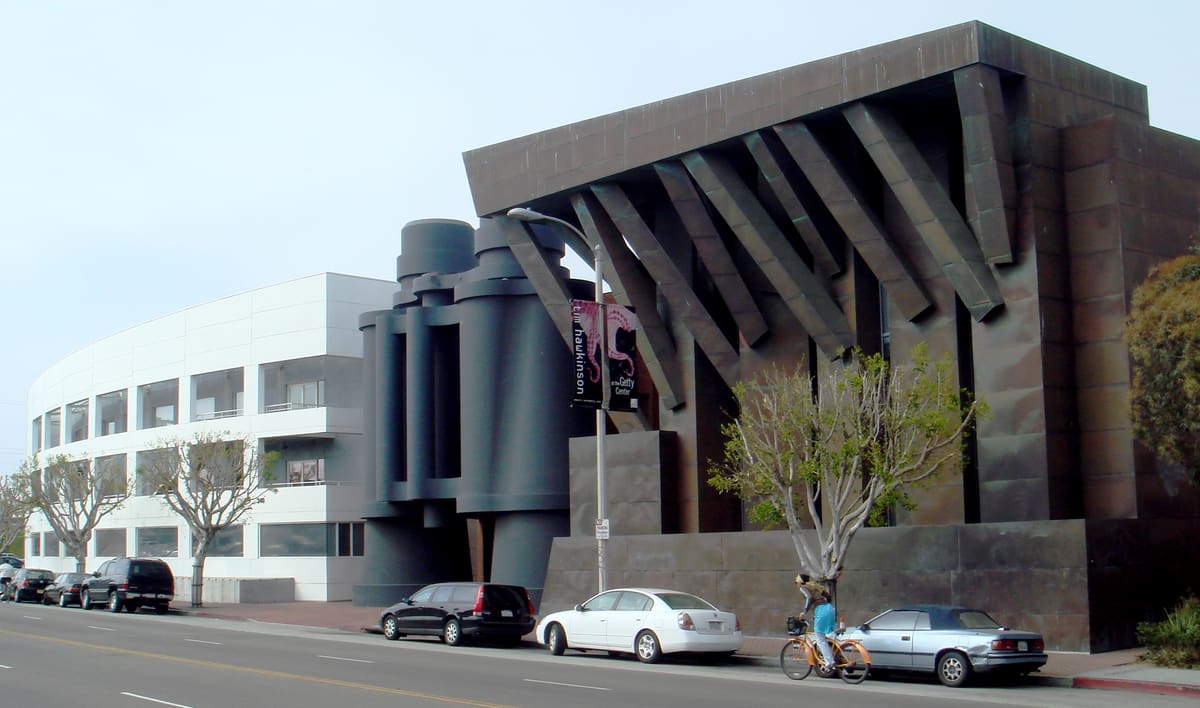
TBWA Chiat/Day was in that building when the ads began. Staff moved in on the first workday of 1994. Wired reported in February 1999 that they had cleared out the previous September. The Times, that same month, said the dog had appeared in nearly 20 commercials. Sales at restaurants open at least a year were up 3 percent in 1998 and 9 percent in the final quarter, when plush toys of the dog were selling. The chain had sold 13 million of them in the quarter ended December 26, and expected 10 million more, at $2.99 to $3.99, for Valentine's Day. Jay Leno joked about the dog. El Pollo Loco and Jack in the Box parodied it.
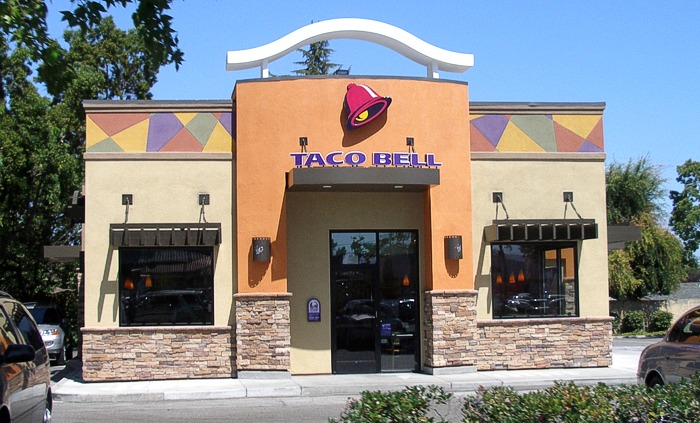
That article also said leaders of some Latino groups had complained that the dog and the accent were demeaning. The ads went on. In October 1999 Alazraqui said the complaints had died down. "Most people, Latino or otherwise, enjoy that commercial," he said.
On July 19, 2000, the Los Angeles Times reported that Tricon, Taco Bell's parent, had said sales at restaurants open at least a year fell 6 percent in the second quarter, the largest quarterly decline the chain had ever had. Emil Brolick was replacing president Peter C. Waller. The ads were leaving TBWA Chiat/Day, which had won the $200 million account in 1997, and returning to Foote, Cone & Belding. Chairman David E. Novak said, "He may have a cameo role but I wouldn't be surprised to see advertising that didn't have him." The line outlasted the ads. Yo quiero Taco Bell.